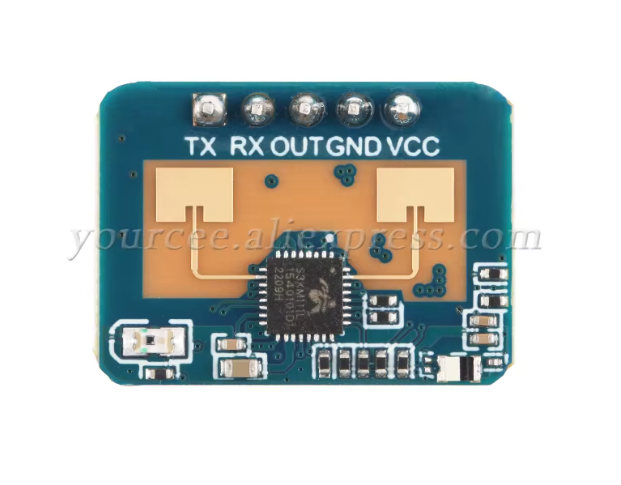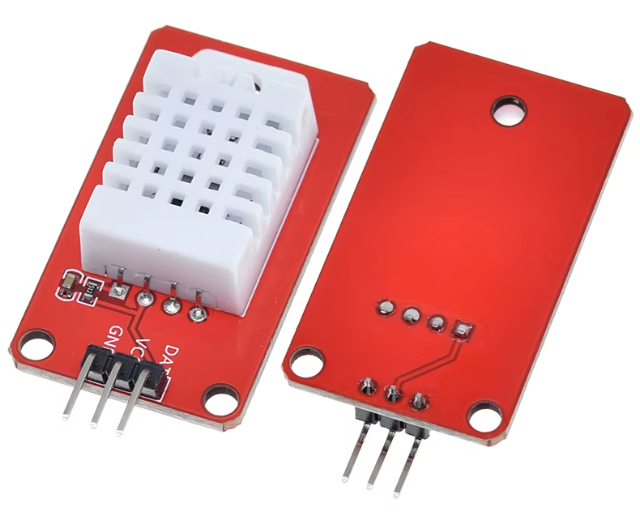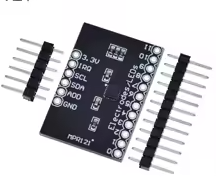
PR121 Breakout V12 Capaacitive Touch Sensor Controller Module I2C Interface keyboard Development Board for arduino
KSH 600.00
In Stock
The MPR121 Breakout V12 is a capacitive touch sensor controller driven by an I2C interface, designed to create custom touch interfaces and keyboards for Arduino and other microcontrollers. It simplifies the process of adding touch sensitivity to your projects [citation:1][citation:3].
| Parameter | Value |
|---|---|
| Touch Inputs | 12 electrodes (plus simulated 13th) |
| Communication | I2C (with interrupt output) |
| Operating Voltage | 2.5V to 3.6V DC [citation:3] |
| Supply Current | 29μA at 16ms sampling interval [citation:1] |
| Stop Mode Current | 3μA [citation:1] |
| Operating Temperature | -40°C to +85°C [citation:1] |
| Dimensions | 30 x 20mm [citation:7] |
= Key Features =
12 Capacitive Touch Inputs - Easily create custom touch keypads
8 LED Driver Pins - When not used as touch electrodes, pins can drive LEDs [citation:4]
Configurable Sensitivity Autoconfiguration of each sensor input [citation:1]
I2C Interface with Interrupt - Efficient communication with any microcontroller
Selectable I2C Address - Default 0x5A, adjustable via ADD pin jumper [citation:2]
√ Includes header pins for easy wiring [citation:7]
√ Onboard 10kΩ pull-up resistors for I2C lines [citation:2]
√ Low power consumption ideal for battery-powered projects
Module to Arduino (3.3V) [citation:5]:
Module not detected:
Inconsistent touch detection: