220 Ohm Resistor
Standard Current-Limiting Resistor for LEDs and Logic Circuits
The 220 ohm resistor is a widely used throughhole component for electronics and Arduino projects, often serving as a currentlimiting resistor for LEDs . It is frequently employed in I2C bus pullup applications and, when paired with a 330ohm resistor, can form a 5Vto3.3V logic level shifter .
Common LED Resistor Provides optimal current limiting for standard LEDs at 5V (typically ~1215mA).
PullUp Applications Used in I2C bus circuits at both 3.3V and 5V .
The most common version is a 1/4W (0.25 Watt) through-hole resistor with a ±5% tolerance .
For 5V circuits with a typical 2V LED, a 220Ω resistor is an ideal choice for 13.6mA current draw .
Always verify the current for your specific LED brightness requirements and avoid exceeding the 1/4W power rating.
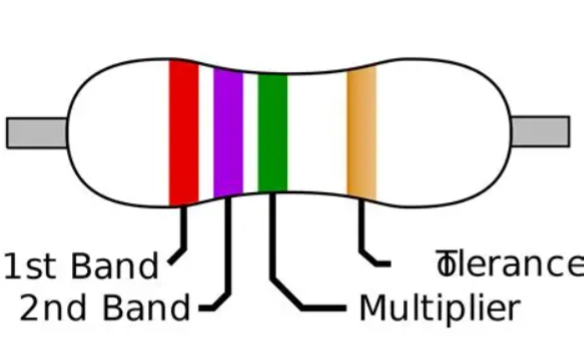
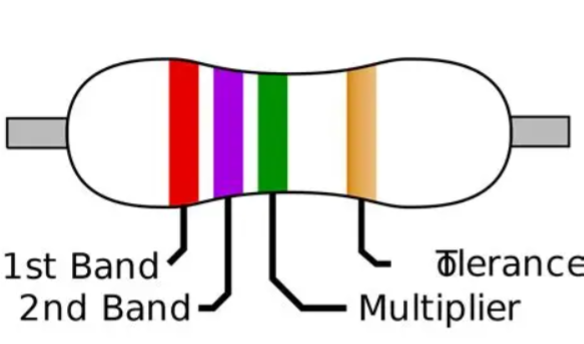
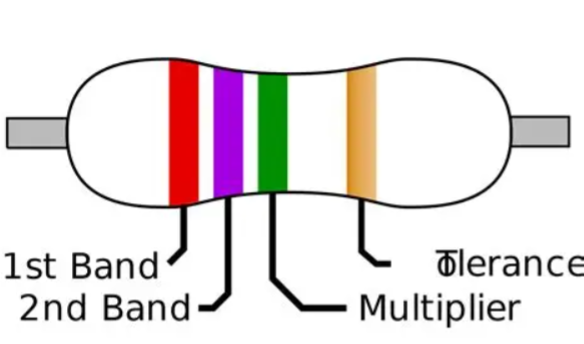
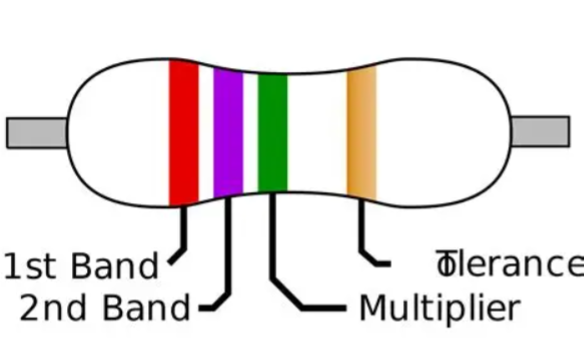
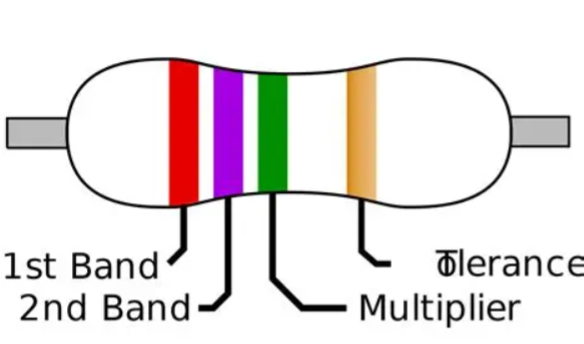
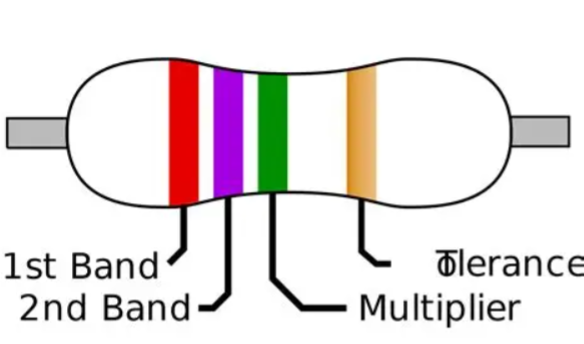
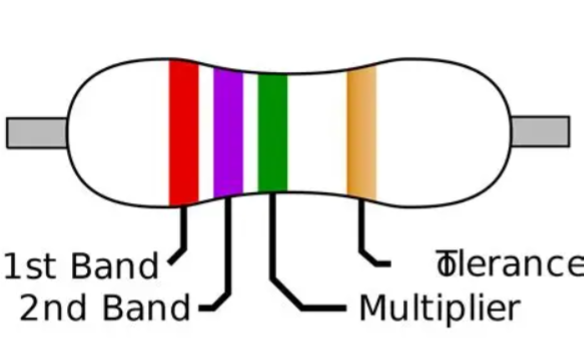
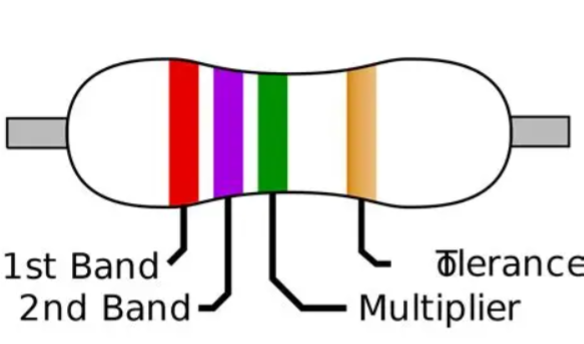
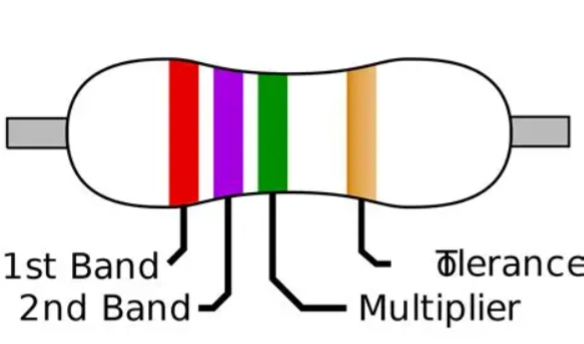
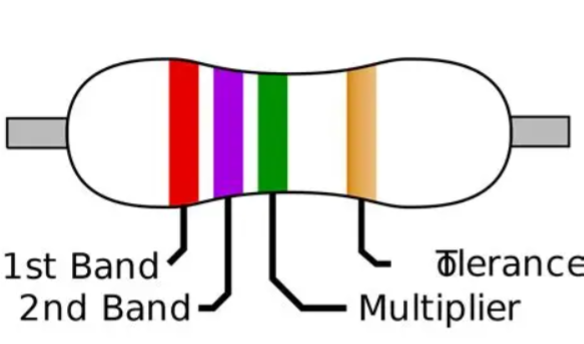
Color Code and Identification
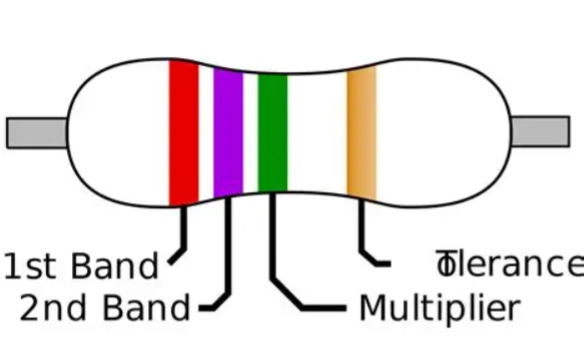
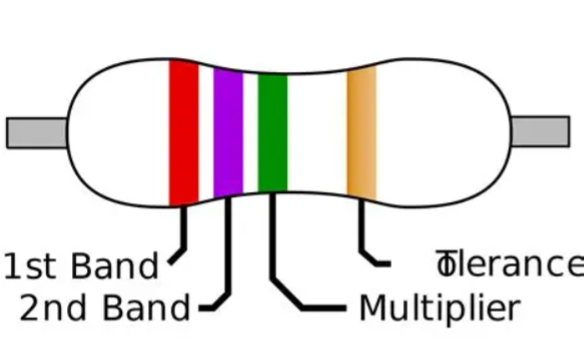
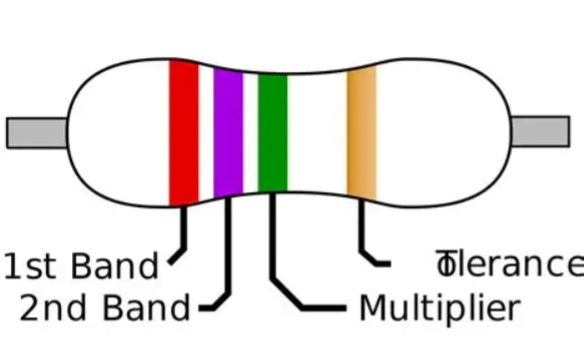
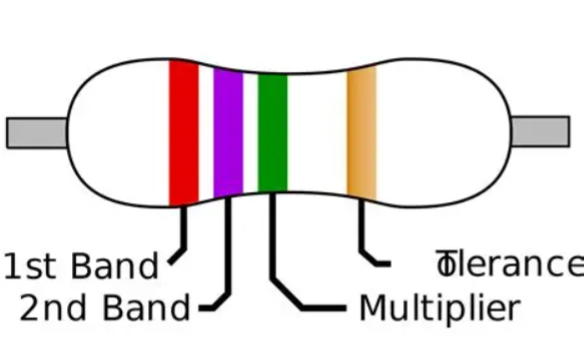
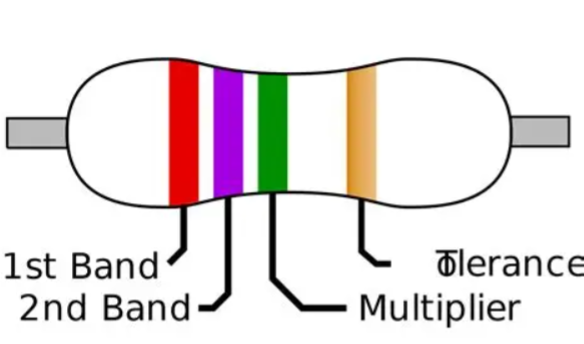
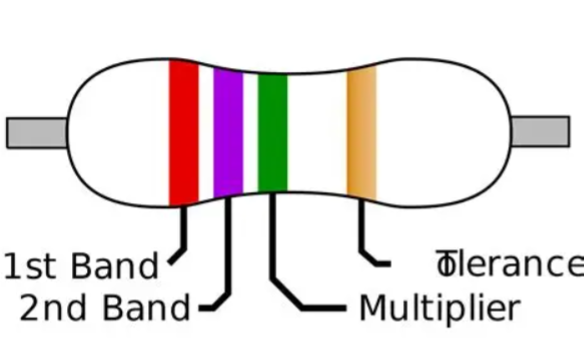
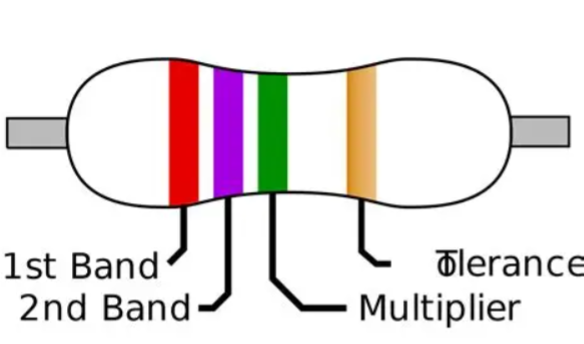
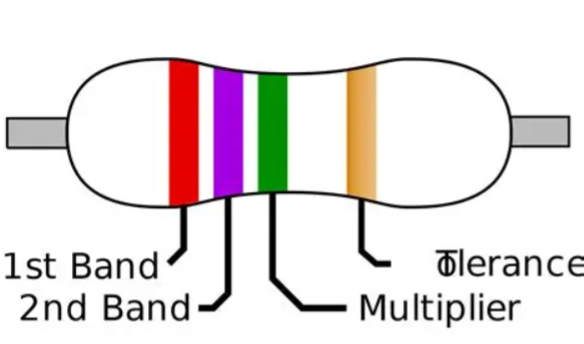
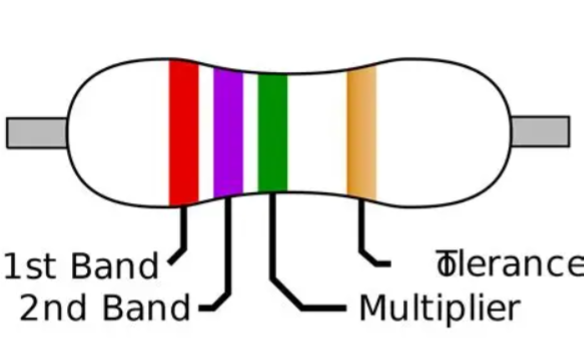
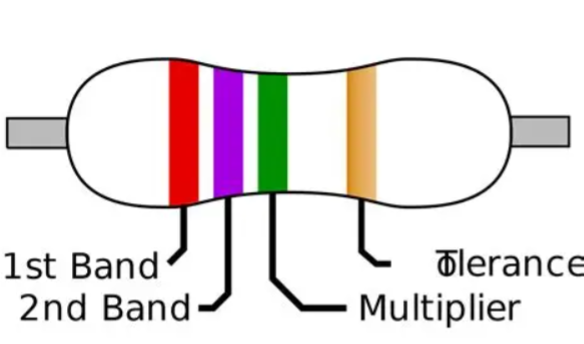
For a 4-band resistor with ±5% tolerance, the color code is:
- 1st band: Red (2)
- 2nd band: Red (2)
- 3rd band (Multiplier): Brown (×10)
- 4th band (Tolerance): Gold (±5%)
This gives a value of 22 × 10 = 220 ohms .
For a ±1% tolerance version, the 4th band is Brown instead of Gold.
Technical Specifications (Typical 1/4W Model)
| Parameter | Value |
|---|
| Resistance | 220 Ohms (220Ω) |
| Tolerance | ±5 (common) or ±1% |
| Power Rating | 1/4W (0.25W) |
| Package Type | Through-Hole (Axial) |
| Lead Diameter | 0.4 - 0.6mm |
= Key Features =
+Universal LED Resistor - Standard value for protecting LEDs in 5V circuits.
+Versatile Use Also used in I2C pullup and level-shifting applications.
+ThroughHole Package Fits standard breadboards and PCBs.
+ThroughHole Package Fits standard breadboards and PCBs.
= Applications =
- Current limiting for LEDs in 5V microcontroller projects.
- I2C bus pull-up resistors at 3.3V and 5V.
- Logic level shifting (paired with 330Ω) between 5V and 3.3V systems.
- Generalpurpose current limiting for lowpower circuits.
Standard LED Resistor - Easily available and widely used .
Excellent Performance - Provides reliable protection for LEDs in common 5V circuits.
√ Compatible with Arduino, ESP32, and other microcontrollers.
√ Reliable, low-cost component for prototyping and production.
√ Easy to identify by color code (redredbrown-gold).